PAS 2090 LIFE CYCLE ASSESSMENT
PAS 2090 is a pharmaceutical sustainability standard that provides product category rules for conducting environmental Life Cycle Assessments of medicines. Developed by the British Standards Institute (BSI), the standard establishes a consistent methodology for evaluating the environmental impact of medicines across their full life cycle.
Tunley Environmental's service applies the PAS 2090 framework to carry out a comprehensive Life Cycle Assessment for pharmaceutical products. This means measuring and reporting the full environmental impacts of a medicine across its entire life cycle.

WHY IS PAS 2090 IMPORTANT FOR PHARMACEUTICAL SECTORS?
Pharmaceutical companies are under increasing pressure to understand and reduce the environmental impact of medicines. Our PAS 2090 Life Cycle Assessment service provides a structured and standardised approach to measuring the full environmental footprint of pharmaceutical products.
Using the first global pharmaceutical sustainability standard, we conduct a comprehensive LCA for pharma products to quantify the pharmaceutical carbon footprint, along with water, nature and health impacts. Identifying opportunities for improvements across the products life cycle, from raw material extraction, through to end-of-life disposal.
This assessment helps pharmaceutical organisations produce credible sustainability data, meet procurement requirements and prepare for future environmental regulations.
Conducting an LCA for pharma products aligned with PAS 2090 allows pharmaceutical companies to:
-
Measure the environmental impact of medicines using a recognised methodology
- Identify environmental hotspots in product supply chains
-
Understand the carbon footprint of pharmaceutical products and produce reduction strategies
-
Produce credible, verified environmental disclosures
-
Support sustainability reporting and ESG commitments
-
Prepare for emerging environmental regulations.
By quantifying the pharmaceutical environmental footprint, organisations gain the insights needed to identify impact hotspots and develop targeted reduction strategies.
UNDERSTAND THE ENVIRONMENTAL FOOTPRINT OF YOUR PHARMACEUTICAL PRODUCTS
Work with Tunley's science-based sustainability experts to conduct a PAS 2090 Life Cycle Assessment.
WHAT OUR PAS 2090 LIFE CYCLE ASSESSMENT SERVICE PROVIDES
The pharmaceutical sector is facing growing pressure from healthcare systems, investors, and regulators to improve sustainability transparency. Our PAS 2090 service delivers a complete and verifiable Life Cycle Assessment for PAS 2090 pharmaceutical products.
The assessment measures the full environmental impact of medicines, including greenhouse gas emissions and other environmental indicators. This LCA for pharma products provides organisations with credible data to support long-term sustainability strategies.
The final deliverable is a comprehensive LCA report that includes:
- Quantification of the pharmaceutical carbon footprint
- Identification of environmental hotspots across the product life cycle
- Transparent documentation of data sources and assumptions
- A third-party verified baseline report suitable for sustainability disclosure, procurement tenders, and reduction planning
This LCA for pharma products provides organisations with credible data to support long-term sustainability strategies.
The project ran seamlessly from carrying out regular communication between key project stakeholders to the speed of the project execution and completion. We would highly recommend Tunley Environmental to companies looking to complete product LCAs.
Keely Warren
Brand & Communications Manager | Tremco
We used Tunley Environmental to help us with out carbon reduction targets, they conducted an embedded carbon report for one of our key ranges and we are now exploring next steps. I would highly recommend them professional, helpful a great company to work with.
Kieron King
Quality Manager | Inpress
They did exactly what was asked and where we had less than perfect understanding of the issues involved their expertise showed through. The response time to follow up enquiries was excellent and I would happily use Tunley again.
Michelle Smith
Intellectual Property Controller | Power Roll
From start to finish the whole team have excelled in communication and support. They made the entire process seemless, and nothing was too much for them. This is my first full experience completing a carbon assessment, and I couldn't have asked for a better company to complete this with.
Rebecca Druce
SQE Manager | Spacecare
We found all of the Tunley Environmental representatives to be extremely friendly, helpful and knowledgeable. They provided a high standard of service with plenty of advice and support, including regular meetings to update on progress and present findings. We look forward to working with Tunley Environmental again on future projects.
Mary Bellamy
Lead Research Nurse | University Hospitals Birmingham NHS Foundation Trust
OUR PAS 2090 LIFE CYCLE ASSESSMENT METHODOLOGY
As a science-based environmental sustainability consultancy, Tunley ensures every assessment is conducted with scientific rigour and transparency. Our PhD-level scientists combine advanced environmental modelling with industry knowledge to produce robust and defensible results.
Our assessment are conducted according to PAS 2090:2025 - Pharmaceutical products - Product Category Rules for environmental Life Cycle Assessments. The framework builds upon established Life Cycle Assessment standards including ISO 14040 and ISO 14044.
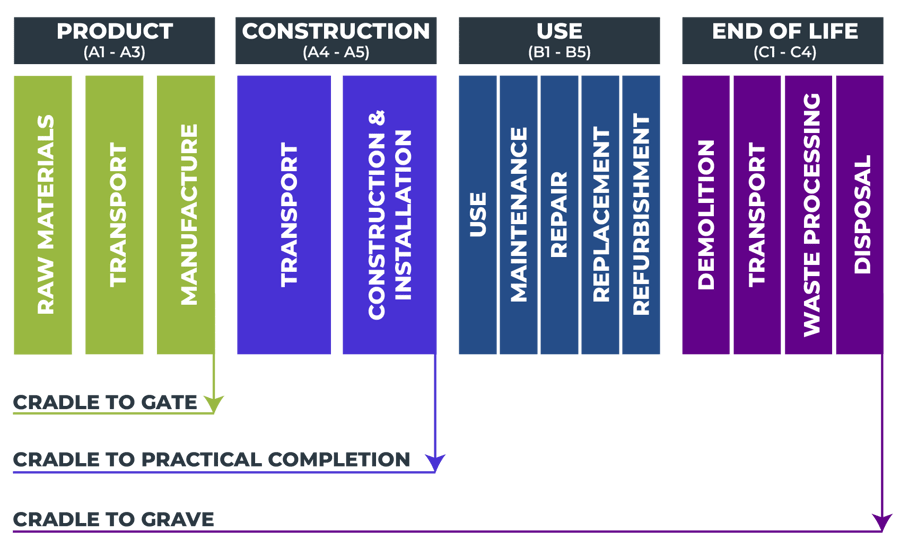
Define the functional unit, boundaries and objectives of the LCA for pharma products.
Collect detailed supply chain and manufacturing data covering all life cycle stages.
Quantify greenhouse gas emissions and calculate the pharmaceutical carbon footprint.
Identifying environmental hotspots contributing to the environmental impact of medicines.
Produce a transparent report aligned with PAS 2090 product category rules.
WHY CHOOSE TUNLEY?
Tunley Environmental is a science-based environmental sustainability consultancy specialising in Life Cycle Assessment and environmental footprint analysis.
Tunley Environmental has a track record of delivering measurable sustainability results for diverse clients.
LET US SUPPORT YOUR PAS 2090 LIFE CYCLE ASSESSMENT
See how Tunley's team of PhD-level scientists can support your PAS 2090 Life Cycle Assessment and help reduce the environmental footprint of your pharmaceutical products
OUR TEAM
INSIGHTS
Reflecting on The Sustainability Leader's Playbook 101
Decoding Product Category Rules for EPD Applications
Your Comprehensive Guide to Environmental Product Declarations
The Comprehensive Guide To Sustainability in Manufacturing
Aligning With The NHS Net Zero Supplier Roadmap Through ISO 14068
What Counts (and What Doesn't) in Your Scope 3 Emissions for SBTi?
What's the Link Between Circular Economy and Carbon Reduction?
Reducing Scope 3 Emissions in Manufacturing with Life Cycle Assessment
Learn How to Read Environmental Product Declarations (EPDs)
Assessing Embodied Carbon in Construction Materials
FREQUENTLY ASKED QUESTIONS
PAS 2090 is a pharmaceutical sustainability standard that provides product category rules for conducting environmental life cycle assessments of medicines. It enables organisations to measure the environmental impact of medicines across the full product life cycle using consistent and transparent methodology.
PAS 2090 pharmaceutical product assessments use a life cycle assessment approach to evaluate environmental impacts from raw material extraction through to manufacturing, distribution, use and end-of-life. this LCA for pharma products quantifies greenhouse gas emissions and calculates the pharmaceutical carbon footprint of a medicine.
Pharmaceutical companies are adopting PAS 2090 to improve transparency around the environmental impact of medicines and to support sustainability reporting. The pharmaceutical sustainability standard also helps organisations to increasing expectations from healthcare systems, investors and regulators.
A PAS 2090 pharmaceutical products assessment typically requires data across the entire product life cycle, including raw materials, active pharmaceutical ingredients, manufacturing processes, packaging, distribution and disposal. This data is used to calculate the pharmaceutical carbon footprint and other environmental impact indicators.
The primary output of a PAS 2090 assessment is a detailed Life Cycle Assessment report. This report quantifies the pharmaceutical carbon footprint, identifies environmental hotspots and provides a transparent overview of the environmental impact of medicines across the product life cycle.
By conducting an LCA for pharma products, organisations gain insight into where environmental impacts occur in their supply chains. This allows companies to prioritise reductions in the pharmaceutical carbon footprint, improve product design and reduce the overall environmental impact of medicines.