

science-based expertise
ABOUT DR TARA
-1.jpg?width=200&height=246&name=Tunley%20Headshots%20(25)-1.jpg)
Dr Tara Garraty, BSc, MSc Conservation Biology, PhD Conservation Biology, is a seasoned sustainability and conservation scientist with a specialised background in ecology and conservation biology. She holds a BSc and MSc degree in Conservation Biology, focusing on ecosystem services and ecosystem health, and has completed her PhD in Conservation Biology, titled “An Ecological Model: Quantifying Links Between Biodiversity, Hydrological Events, and Climate Change within the Peruvian Amazon,” which focus on the impacts on biodiversity in a changing climate. Tara’s career has concentrated on research and education in tropical and marine conservation, climate change, sustainability science, ecosystem function, biodiversity, and general ecology. Her in-depth research, which includes extensive statistical ecological and climatic modelling, offers a comprehensive understanding of the impacts of climate change on crucial tropical ecosystems. Driven by her passion for preserving the planet, her main career goals are to contribute towards global conservation and sustainability objectives, educate public platforms on essential environmental issues, and promote sustainable practices through fieldwork, education, and research.
In her spare time, Tara loves hiking and camping with her partner and rescue pup Koda. She enjoys running, live music gigs, traveling, and art.
TARA'S FEATURES

Read More
BookThe Sustainability Leader's Playbook 101
This book is not exhaustive; the world of sustainability is huge and ever-expanding. What we have done is curated insight into the key areas that matter the most right now: leadership, regulation, carbon, biodiversity, water, AI, brand, and genetics.
Read More
Read More
InsightsWhy Carbon Emissions and Biodiversity Can't Stay in Separate Silos
As the world continues to discuss efforts to mitigate against climate change, one peculiar phenomenon has been observed: Carbon emissions and biodiversity are often treated as separate priorities. Carbon is calculated, reported, offset and regulated. Biodiversity?
Read More
Read More
InsightsUnderstanding SCBF: Impacts on BiodversityAs we continue to explore the complexities of biodiversity, it is crucial to understand the significant role that Supply Chain Biodiversity Footprint (SCBF) plays in environmental conservation. Read More

Read More
InsightsUnderstanding SCBF: Frameworks and Regulations
A sustainable business model is being supported by companies, and regulatory compliance is just one reason why it is becoming more and more important for them to understand their impacts on biodiversity and carbon emissions.
Read More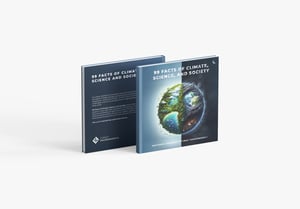
Read More
Book99 Facts of Climate, Science, and Society
Tunley releases 99 Facts of Climate, Science, and Society, our book which invites readers of all ages to uncover the roles of carbon, biodiversity and human influence in our changing world.
Read More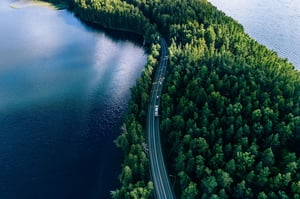
Read More
InsightsExploring Supply Chain Biodiversity Footprint: Sustainable Practices
Understanding and mitigating impact on biodiversity isn't just about corporate responsibility; it's about safeguarding the future of our ecosystems and the species that inhabit them. This is where the Supply Chain Biodiversity Footprint (SCBF) assessment comes into play.
Read More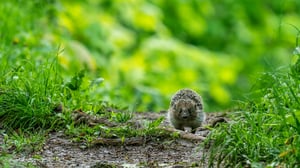
Read More
InsightsBiodiversity Net Gain: Preserving Our Planet's Natural World
Biodiversity Net Gain (BNG) is a concept that has gained significant momentum in recent years, driven by the pressing need to protect and enhance the world's natural ecosystems. BNG is a relatively simple but powerful idea with profound implications for the way we approach land use and development.
Read More
Read More
WhitepaperThe Implementation of Biodiversity Footprinting: Examining Supply ChainsBiodiversity is foundational to human health, economic stability, and industrial resilience, particularly in the pharmaceutical sector, which is intrinsically reliant on natural ecosystems. Read More

Read More
InsightsEmbracing Nature Positivity and Science Based Targets
In a world facing increasing environmental hurdles, it's crucial to highlight the importance of taking on a Nature Positive mindset, paired with the practical application of Science-Based Targets for Nature.
Read More
Read More
InsightsBiodiversity Footprinting and Business: Journey to Sustainable Success
The concept of Biodiversity Footprinting has emerged as a powerful analytical tool, shedding light on the intricate relationship between corporate activities and the biodiversity that defines our natural environment.
Read More
Read More
InsightsTunley Become a Member of The British Ecological Society
Joining the British Ecological Society (BES) opens the door to a myriad of benefits that go beyond mere membership. Firstly, it provides a gateway to staying informed and well-equipped with the latest research in the field of ecology.
Read More
Read More
WhitepaperBiodiversity Loss Crisis: Climate Change, Anthropogenic Pressures and Recovery Initiatives
Humans share the planet with approximately 8.7 million other species in a delicate balance which provides the very foundation for life [1]. Biodiversity, or the variety of life on Earth, is crucial to sustaining life as it provides important ecosystem services.
Read More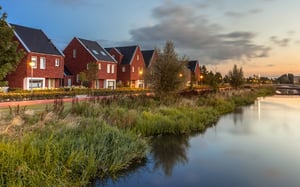
Read More
PublicationInside Housing: BNG Regulations on Housing Developments
The article discusses the importance of Biodiversity Net Gain (BNG) regulations in the context of rapid urbanisation, particularly in housing developments in the UK.
Read More
Read More
PublicationConstruction Management: Understanding Small Sites and BNG
The goal is to leave the environment in a better state post-development than it was before. Developers are required to assess the biodiversity value of a site before and after development, with a target of achieving a minimum 10% net gain in biodiversity.
Read More