

ABOUT GARETH
.jpg?width=200&height=246&name=Tunley%20Headshots%20(24).jpg)
Gareth holds an undergraduate master’s degree in pure chemistry (MChem) and a PhD in chemical engineering. This provides him with a strong problem solving and practical mindset which he is utilising to enable real carbon reduction strategies.
His PhD research at the University of Sheffield was mainly in the field of materials chemistry with an environmental focus. A large part of this was in developing a renewable source of adsorbents and catalysts from waste materials.
After completing his PhD, Gareth focused on developing innovative technologies that enable the permanent sequestration of CO2 within concrete. Technology such as this is essential for the construction industry which is currently the only industry with no clear roadmap for net-zero emissions.
Personally speaking, Gareth produces between 200-300 pounds of fruit and vegetables in his small end terrace garden every year. Making a variety of jams, and pickles to enjoy throughout the winter. While he aspires to eventually own a self-sustaining homestead, he remains committed to continuously learning from his gardening errors until that aspiration becomes a reality.
GARETH'S FEATURES
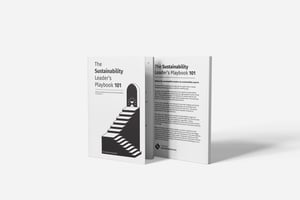
This book is not exhaustive; the world of sustainability is huge and ever-expanding. What we have done is curated insight into the key areas that matter the most right now: leadership, regulation, carbon, biodiversity, water, AI, brand, and genetics.
Read More
We are going to explain simply; the common terminology used in water footprinting assessments. When it comes down to it, we need water to live. It is a simple as that. Water footprinting assessments enable us to make sure that there is enough water for us in the future.
Read More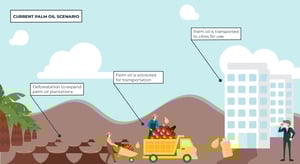
Black soldier fly larvae (BSFL) offer a sustainable alternative to convert waste products into oils within built up industrial areas. This study explore the potential of BSFL oil to replace palm oil as a representative vegetable oil.
Read More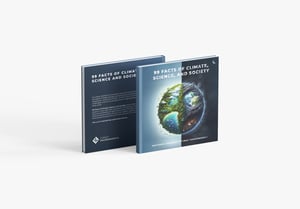
Tunley releases 99 Facts of Climate, Science, and Society, our book which invites readers of all ages to uncover the roles of carbon, biodiversity and human influence in our changing world.
Read More
Humanity has seen drastic increases in quality of life since the onset of the industrial revolution. This is in large, due to the usage of fossil fuels.
Read More.jpg?width=300&name=pexels-life-of-pix-2469%20(1).jpg)
Concrete is the most widely used manmade material in the world by both weight and volume [1]. An estimated 30 Gt of concrete is produced annually, this equates to a consumption over 3.5 tonnes of concrete per person annually.
Read More
With 88.5% of GHG emissions created from concrete during cement production, there is an urgency to develop technology for the industry to hit net zero targets.
Read More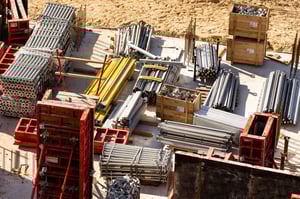
Let us paint a picture for you: you’re working a job resurfacing a road at night. Your boss tells you that you are in charge of reducing the greenhouse gas emissions-related activities.
Read More
Concrete, the most extensively used manmade material worldwide, carries a significant environmental burden, contributing to 8% of anthropogenic GHG emissions.
Read More