

ABOUT DR NATHAN
.jpg?width=200&height=246&name=Tunley%20Headshots%20(13.1).jpg)
Nathan is a senior scientist and carbon service co-lead specialising in carbon footprinting, life cycle assessment (LCA), and regulatory carbon accounting. His work combines scientific modelling, emissions accounting, and regulatory analysis to translate complex environmental data into practical strategies for organisations transitioning toward Net Zero and more sustainable operations.
At Tunley Environmental, Nathan works with organisations across many industries to quantify greenhouse gas emissions, develop decarbonisation strategies, and navigate complex climate regulations. His work includes product carbon footprints (PCFs), corporate emissions inventories, full life cycle modelling, and Environmental Product Declarations (EPDs), supporting organisations in understanding environmental impacts across products, supply chains, and operations.
Nathan also specialises in Carbon Border Adjustment Mechanism (CBAM) compliance, supporting manufacturers and importers in understanding embedded emissions, calculating process- and installation-level carbon intensities, and developing compliant methodologies for reporting.
His background is in chemistry and computational modelling. He completed a PhD in materials chemistry, where his research focused on computational modelling of thermoelectric materials, exploring how electronic structure and nanoscale engineering influence energy conversion efficiency.
NATHAN'S PUBLICATIONS AND WHITEPAPERS

Key unaddressed issues of sustainability within healthcare include high volumes of waste plastic, and the use of anaesthetic gases with a high greenhouse gas potential. This white paper explores the role of plastic in healthcare, offering alternative materials.
Read More
This white paper explores the fuels used within shipping, their respective environmental impact and health implications thereof. We discuss alternative fuels, their environmental impact and comparison to current fuels.
Read More
The construction industry in the US has made significant progress in embracing environmentally friendly practices through the implementation of green building standards. These practices are crucial in reducing the environmental impact of residential and commercial structures by focusing on energy efficiency, water conservation, waste reduction, and the use of sustainable building materials.
Read More
Pressure ulcers, also known as bedsores, are one of the top ten harms in the NHS, affecting up to 10% of hospital patients and costing the health service an estimated £3.8 million every day. A new white paper released by Tunley Environmental and Bassetlaw Teaching Hospitals NHS Foundation Trust demonstrates how artificial intelligence (AI) could transform prevention and management, creating benefits for patients, healthcare budgets and the environment.
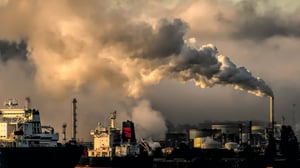
ENGLAND — The maritime transport industry is vital to our present day globalized world, with approximately 90% of traded commodities reliant on shipping. The global shipping industry is estimated to be responsible for about 2.5% of global CO2 emissions.
Read More
In the face of growing concerns surrounding climate change and resource scarcity, the demand for sustainable packaging solutions is at an all-time high. Sustainability can be defined as responsible use of resources today to preserve them for future generations, it is a complex challenge that requires balancing human needs and ecosystem preservation.
Read More
NHS England estimates that it is responsible for 4-5% of England’s carbon footprint. With current global consensus moving towards net-zero emissions, it is imperative that healthcare plays a significant role [1]. Reducing the carbon footprint of healthcare could play a vital role in meeting climate targets, with NHS England pledging to become one of the first net-zero healthcare providers by 2040 [2].
Read More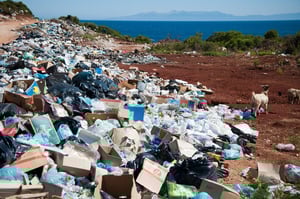
This white paper explores carbon reduction strategies, material selection, and the UK government’s environmental policies in relation to sustainable packaging. Carbon reduction initiatives aim to mitigate greenhouse gas emissions and address climate change by focusing on energy efficiency, renewable energy adoption, and material choices for packaging.

The shipping industry is a key economic driving-force of the world economy, with roughly 90% of traded goods reliant on shipping. However, the current generation of ships and most port infrastructure are heavily reliant on fossil fuels.
Read MoreThe pharmaceutical industry is significantly more carbon intensive than many other industries, such as automobile manufacturing [1]. Furthermore, with pharmaceuticals representing approximately 25% of the carbon emissions associated with the NHS [2], medicines provide an excellent opportunity for carbon reduction.
Read More
Pressure ulcers (Pus), also known as bedsores, are a major burden on healthcare as they cause distress, pain, and debilitation for patients while imposing substantial clinical, economic, and environmental burdens, (Fletcher et al,2021) affecting 4% to 10% of hospital patients in the UK (NICE, 2024).
Read More