


What is Carbon Neutral?
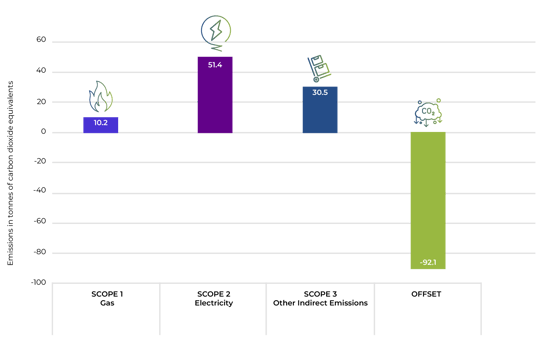
Carbon neutral refers to the state of having sum total zero carbon emissions which is achieved primarily through offsetting. Carbon offsetting is the practice of purchasing carbon credits which are qualified activity which reduce the CO2 in the atmosphere (e.g., reforestation and solar power installation). PAS 2060 describe the process of an entity being carbon neutral. To achieve this the company must have an initial baseline assessment, followed by a second year of full carbon footprint and offsetting against all annual emissions. This then qualifies the entity as carbon neutral, however there is further reporting and offsetting required in the continuing years to retain carbon neutrality.
What is Net Zero?
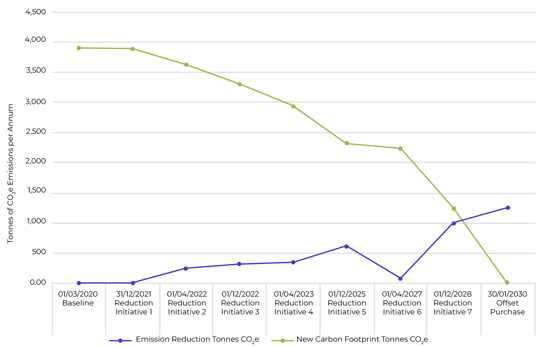
SBTi align their standards required for net-zero carbon emissions with the aim of limiting average global temperature increase to below 1.5°C. In this the individuals, businesses, or governments are required to commit to a carbon reduction strategy. This is measured by sector-specific guidance and approaches provided by SBTi. Carbon offsets are excluded from meeting these reduction targets. The entity therefore must act upon planned carbon reduction initiatives and demonstrate the actual carbon reduction achieved through these targets.
What is the difference between net zero and carbon neutral?
While initially the terms net zero and carbon neutral may seem interchangeable, there are key differences. Net zero requires reduction initiatives in place which reduces the amount of greenhouse gas emission directly released by the entity. However, carbon neutrality only requires a balance between measured emissions produced and emissions absorbed without any reduction requirements. In lay terms, net zero is a more comprehensive and ambitious goal for sustainability than carbon neutrality.
How to achieve net zero carbon
Achieving net zero carbon requires a concerted effort from individuals, businesses, and governments. Here is the low down for achieving it in three easy steps!
Conduct an audit:
Firstly, all emissions should be quantified and categories to identify the entities baseline carbon footprint.
Implement reduction strategies:
With emissions in hand carbon reduction strategies can be selected for highest impact. This can include upgrading the energy efficiency of appliances, swapping to electric vehicles, or changing to renewable energy sources.
Offset remaining emissions:
After reduction of carbon emissions there will inevitably be some remaining emissions. Only when there are no feasible options for reduction should you then offset against the remaining emissions with a reliable third-party provider of carbon offset credits.
Why reaching net zero is important?
Reaching net zero carbon is critical to mitigating the effects of climate change and creating a sustainable future. By reducing emissions and removing carbon from the atmosphere, we can slow the rate of global warming and help protect the environment for future generations.
Achieving net zero carbon also has economic benefits. Investing in renewable energy and energy efficiency measures can create jobs and stimulate economic growth.