

.png?width=300&name=zero-waste-lifestyle-products-arranged-on-a-table-syringe-granola-inhaler-tshirt-2026-03-20-00-06-37-utc%20(2).png)
Sustainable Products in 2026: Strategic Advantage or Commercial Burden? - The Paper
Drawing on Tunley Environmental's roundtable event, held in June 2026, this paper brings together the perspective of 16 business leaders discussing the benefits of challenges and commercial realities of sustainable products in 2026.
Written by Tunley Environmental's Dr William Beer, PhD | CEO and Dr Aaron Yeardley, PhD | Senior Scientist & Science Team Co-Lead.


Executive Summary
In June 2026, Tunley Environmental brought together leaders from a range of product-based businesses for a roundtable discussion on the future of sustainable products. The conversation explored the question of ‘are sustainable products becoming a strategic advantage, or an increasing commercial burden in 2026?’
What we found was a nuanced perspective. Sustainability is still commercially significant, but expectations are becoming more demanding and intricate. Customers, procurement teams and regulators are pushing for verified evidence, improved traceability and a thorough business case to prove their environmental ambition.
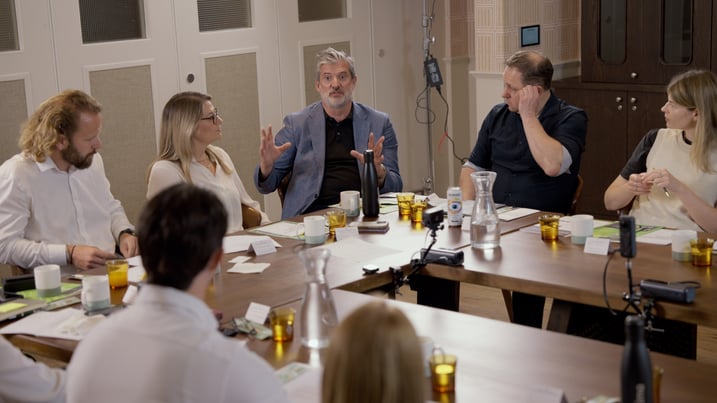 Image credit: SW Productions
The discussion also reinforced that sustainability does not replace the fundamentals of a successful product. Price, quality, availability and trust still take precedence. The opportunity exists in using tools such as Life Cycle Assessments (LCAs), Environmental Product Declarations (EPDs), Climate Risk and Resilience Assessments and product data to improve strategy, strengthen procurement conversations and identify both environmental and commercial value.
Organisations will need to establish a more direct connection between sustainability and product design, supply chain visibility, communication, and broader environmental concerns, including water, biodiversity, circularity, and climate resilience, in the future. Those who are capable of transforming verified data into enhanced strategy will be in the best position to generate long-term value.
Is Sustainability a Strategic Advantage of a Commercial Burden?
Discover what business leaders had to say about the changing role of sustainable products, from procurement and regulation to customer expectations, traceability and commercial value.
Watch the highlights from the roundtable
Tunley Environmental brought together leaders from across sustainability, product, procurement, communications and commercial functions for a private roundtable exploring the commercial reality of sustainable products.

As scrutiny around environmental claims increases, some businesses are becoming more hesitant to talk about their sustainability progress at all.

This discussion explores the balance between quality, price and sustainability, alongside the growing importance of authenticity.

This discussion considers why understanding climate-related risks should form part of wider business planning and decision making.

This discussion explores the challenge of turning biodiversity metrics into meaningful outcomes, the relationship between nature, water and carbon, and why communicating the real world benefits of nature-based action is so important.

This roundtable discussion considers water use, scarcity and resilience, and why organisations may need to look more closely at their dependence on water as climate conditions and resource pressures continue to change.
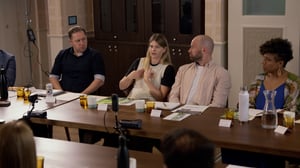
The discussion looks at the role of storytelling in making sustainability more tangible, helping people understand what environmental outcomes actually mean and connecting technical measures with real world change.