
Agroforestry Restoration Project
Transforming land to restore nature, support biodiversity, produce food and create lasting value for local communities.
GROWING NATURE. NOURISHING COMMUNITIES.
Our Agroforestry Restoration Project is creating a living example of how agriculture, nature and communities can thrive together.
Beginning with a six-acre site in North Yorkshire, low-value, heavily grazed land is being transformed into a productive and resilient landscape through agroforestry, permaculture, habitat restoration and regenerative practices. Fruit trees, native trees, meadows, food crops and new habitats are being established to support wildlife while producing food for local communities.

MORE THAN JUST TREE PLANTING
Rather than focusing on a single environmental action, the project brings food production and ecological restoration together.
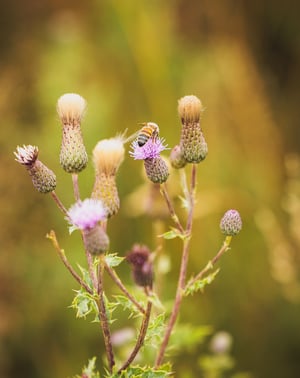
Trees and fruit bushes provide food while storing carbon and creating habitats. Meadows and wildlife corridors support pollinators and other species, while bird, bat and hedgehog boxes provide additional habitats across the site. Natural water habitats are also being created to support amphibians, aquatic insects, wetland plants and birds.
The aim is to create a landscape that becomes richer and more resilient over time. Benefiting wildlife, people and the wider environment.
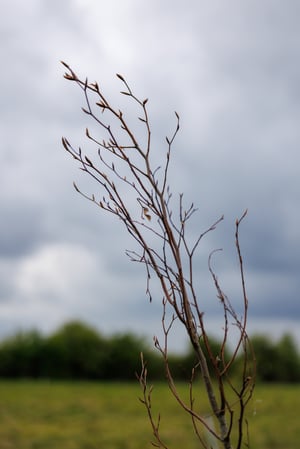
Provide food while storing carbon and creating habitats.
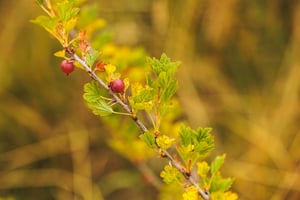
Provide food while storing carbon and creating habitats.
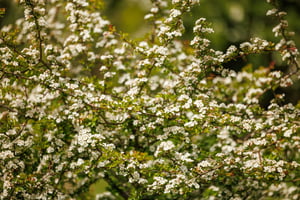
Creating wildlife corridors to support pollinators and other species.
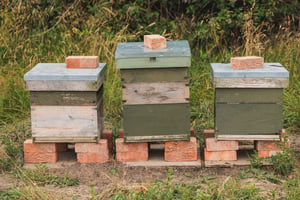
Need text
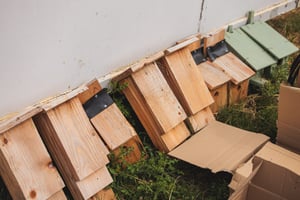
Providing additional habitats for various species in the area.
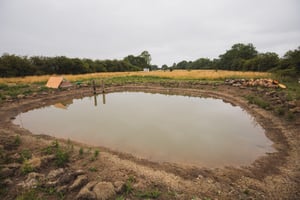
Supporting amphibians, aquatic insects, wetland plants and birds.
FOOD FOR PEOPLE AS WELL AS NATURE
Food production is an important part of the project. A diverse range of fruit trees, fruit bushes and other edible crops are being established alongside habitat restoration, demonstrating that productive land and biodiversity do not have to exist in conflict.
Half of the food produced from the project will be donated to local families and community organisations, creating an ongoing source of locally grown produce alongside the project's environmental benefits.
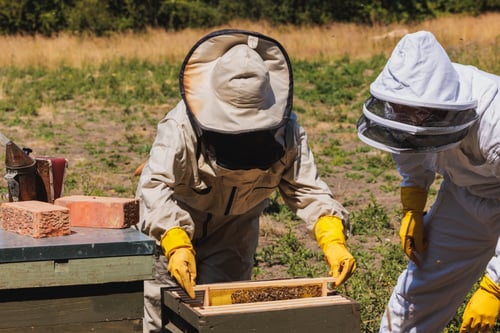
BUILDING A MORE RESILIENT LANDSCAPE
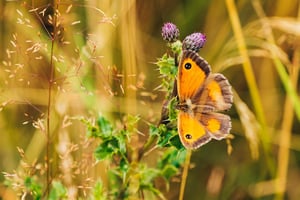
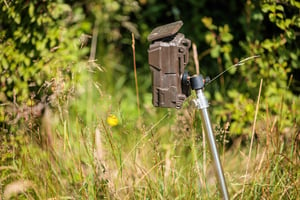
Creating meadows, wildlife corridors, trees and dedicated habitat features to support pollinators, birds, mammals and other wildlife. Monitoring will help track species returning to the landscape.
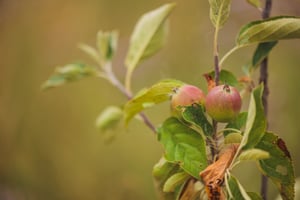
Using agroforestry and permaculture principles to demonstrate how food production can work alongside nature recovery rather than against it.
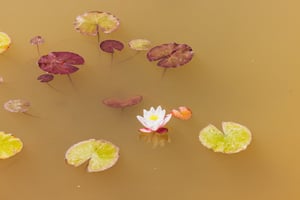
Developing natural water features to create habitats for amphibians, wetland plants, insects and visiting birds while strengthening ecosystem resilience.
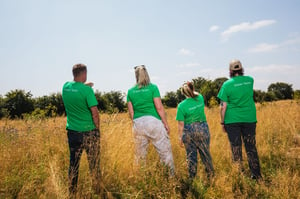
Producing food for local communities and creating opportunities for organisations and thier teams to participate directly in environmental restoration.
FROM BARE LAND TO A GROWING REGENERATIVE ECOSYSTEM
Take a look through how the site has developed since purchase in January 2026.
The project is set to continue developing, you can expect to see updates on; a second lake, two industrial polytunnels, a large building constructed using recycled concrete blocks and at least 10 dedicated bug cities.
![IMG_2188 (1)]()
5th January 2026
The land was purchased, marking the beginning of the Agroforestry Regeneration Project.
![IMG_2187]()
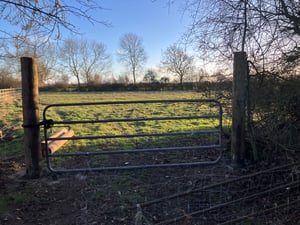
6th January 2026
Work began on site, starting with fixing a gate on entry to the land. Then the transformation of turning the land into a regenerative, biodiversity focused landscape can begin.![Agroforestry Regeneration Project]()
January 2026
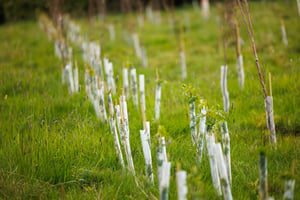
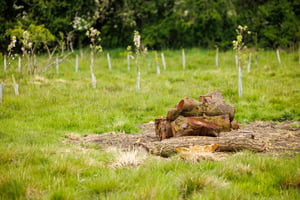
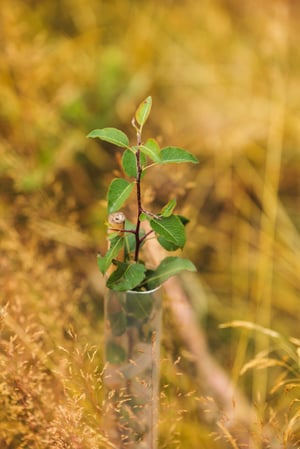
Planted 1,065 trees and 370 fruit trees and bushes, establishing new habitats while supporting future food production.
![DJI_20260518124644_0331_D_MCFADE_DxO]()
May 2026
First lake created, introducing an important new freshwater habitat to support aquatic plants, insects, amphibians and other wildlife.
![0464 Field and Feral 2026_05_18 by McFade]()
18th May 2026
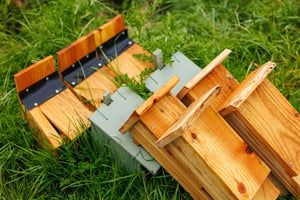
A mix of bird and bat boxes was installed to encourage wildlife and provide safe spaces to rest and raise their young.
![Agroforestry Regeneration Project Image 3]()
June 2026
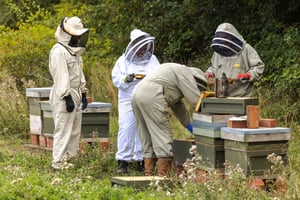
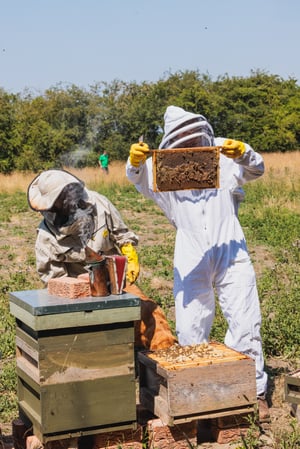
First three beehives introduced, supporting pollination and biodiversity across the site.
![Agroforestry Restoration Project - Beehives]()
August 2026
An additional three beehives arrived, bringing the total to six hives.
![Agroforestry Restoration Project - Chickens]()
August 2026
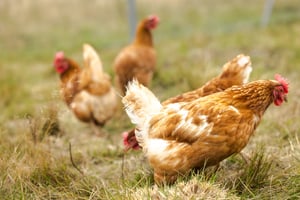
Chickens and a Rooster were introduced to the project.
![0108 Field and Feral 2026_07_15 by McFade]()
Late August - September 2026
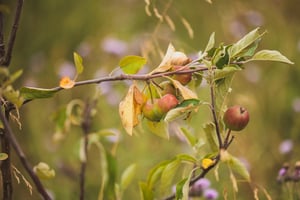
First produce harvest, including blackberries, crab apples and sloes, which will be used to produce jams.
![Agroforestry Restoration Project - Sheep]()
7th September 2026
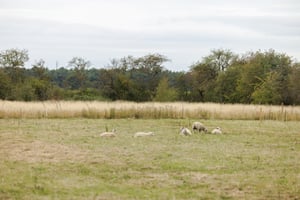
Six sheep arrived, adding grazing livestock to the developing regenerative system.
![Agroforestry Restoration Project - Chickens 2]()
14th September 2026
Egg donations begin, adding another source of locally produced food that can be given back to the community.
![0378 Field and Feral 2026_07_15 by McFade2]()
September 2026
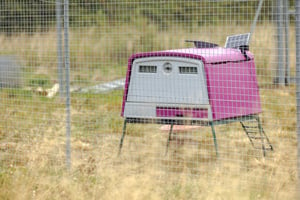
Off-grid infrastructure system developed, including solar power and autonomous off-grid watering systems to support the site without relying on conventional infrastructure.
.jpg?width=300&name=IMG_2188%20(1).jpg)