

Science-based expertise
Over the past year, we’ve seen thousands of visits to the Tunley Environmental’s UN SDG support for Organisations resource page, making it one of the most consistently accessed sustainability pages on our site. These visitors range from sustainability managers and ESG leads to procurement professionals, operations directors and senior decision-makers seeking clarity on one core question: how can organisations meaningfully align with the UN SDGs in a way that delivers measurable impact, not just good intentions? What this sustained level of engagement reveals is that while awareness of the UN SDG framework is high, confidence in implementation remains low. Many organisations understand what the UN SDGs are, but they struggle to translate the global goals into site-level actions, measurable targets and compliant reporting.
What this Sustained Interest Tells Us
Search behaviour provides a powerful insight into an organisation’s intent. The thousands of visits to our UN SDG support page demonstrates continued interest in how the framework applies in practice. While this does not explain individual motivations, it does suggest several broad themes that regularly emerge when organisations engage with the UN sustainable development goals:
- Lack of organisational clarity: Many companies understand what the UN SDGs are, but they lack clarity on how the SDG goals translate into operational decisions and measurable outcomes.
- Alignment alone is no longer enough: Referencing the UN sustainable development goals is common, but credible UN SDG alignment increasingly requires evidence, targets and governance.
- Implementation support is a recurring need: Interest in UN SDG support for organisations reflects a desire to move from high-level commitment to structured delivery that stands up to scrutiny.
- Climate action is often the entry point: UN SDG climate action frequently anchors SDG discussions, but organisations then need support linking climate, nature and social priorities across the wider UN SDG framework.
Overall, sustained attention to UN SDG support for organisations reinforces a growing demand for practical, implementation-led approaches to the UN sustainable development goals rather than symbolic alignment alone.
Why Traditional Approaches Fall Short
When discussing their sustainability policies and commitments, many organisations tend to stick to the use of SDG icons and a generic statement, which more often than not is not backed by meaningful outcomes. This approach falls short for several reasons, including:
Over-Reliance on High-Level Mapping
Many organisations begin their SDG journey by mapping existing activities against the UN SDG framework. While this exercise can be useful as a starting point, it rarely drives change. Typical shortcomings include:
- Mapping without prioritisation
- No link between SDGs and material risks
- No integration into decision-making
- Limited operational ownership
- Lack of formal reports to track progress over time
- Lack of external verification to solidify efforts
The International Standards Organisation (ISO) has highlighted this challenge in its SDG guidelines, noting that superficial alignment creates reputational risk if not backed by credible delivery mechanisms.
Confusion Between Alignment and Impact
Another common issue is the assumption that alignment equals impact. Referencing the UN sustainable development goals in sustainability reports does not demonstrate contribution. Without defined baselines, science-based targets and performance indicators, organisations struggle to evidence progress. This creates challenges for UN SDG reporting, particularly under emerging regulatory frameworks such as the Corporate Sustainability Reporting Directive.
Siloed Sustainability Functions
Traditional sustainability approaches often isolate SDG work within ESG or communications teams. This limits influence and prevents integration across procurement, operations, product design and capital investment. The United Nations Global Compact has stressed that the SDG goals require whole-organisation ownership, not isolated initiatives.
How to Go from Alignment to Implementation
The sustained interest in UN SDG support for organisations highlights a clear demand for practical implementation pathways. Moving from alignment to action requires a structured, evidence-led approach.
Step 1: Understand Organisational Impact
Effective SDG implementation begins with understanding where an organisation’s activities intersect with the UN SDG framework. This involves:
- Value chain mapping
- Risk and opportunity assessment
- Impact prioritisation
This process moves beyond generic alignment and ensures focus on the SDGs where an organisation can have the greatest influence.
Step 2: Link SDGs to Materiality
Materiality is the bridge between SDGs and business strategy. Integrating SDGs into double materiality assessments ensures alignment with financial risk, regulatory exposure and stakeholder expectations. This step strengthens UN SDG alignment by embedding it into governance structures rather than treating it as an external framework.
Step 3: Translate Goals into Measurable Targets
To avoid symbolic commitments, organisations must convert SDGs into operational targets. This is particularly important for areas such as UN SDG climate action, where science-based methodologies already exist.
Targets should be:
- Quantifiable
- Time-bound
- Linked to recognised standards
The United Nations Development Programme emphasises that credible SDG contribution must be measurable to be meaningful.
Learn More: Align Your Goals With Science-Based Targets Initiative (SBTi)
The Tunley Environmental UN SDG Implementation Roadmap
To further assist companies in aligning their sustainability strategy with the UN SDGs, our expert sustainability scientists recently created the Tunley Environmental UN SDG implementation roadmap. This is in direct response to sustained interest from businesses seeking to learn more about UN SDG support for organisations.
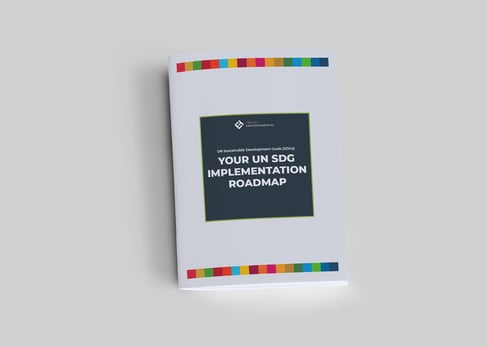
This roadmap is designed to help with:
- SDG Context Setting: Establishing a clear understanding of the UN sustainable development goals and their relevance to your organisation.
- Target Setting and Integration: Translating SDGs into actionable targets, including climate, biodiversity and resource efficiency metrics.
- Monitoring and Reporting: Developing robust UN SDG reporting structures aligned with global standards.
Rather than asking organisations to adopt new frameworks, this roadmap builds on existing sustainability processes and enhances them through SDG integration. This approach supports organisations in leveraging UN SDGs for business resilience, regulatory readiness and long-term value creation.
What Effective UN SDG Support Looks Like in Practice
At Tunley Environmental, our UN SDG support for organisations helps businesses apply science-based services to build credible sustainability strategies, meet regulatory requirements and manage long-term risk. This approach includes:
Integration Across Core Business Decisions
Effective UN SDG support for organisations starts by embedding the UN SDG framework into existing decision-making processes, rather than layering it on top of business-as-usual activity. We support organisations to integrate UN SDG alignment into:
- Product and service design through life cycle analysis
- Procurement and supply chain sustainability programmes
- Overall business strategy and long-term target setting
- Marketing strategy and green claims made by organisations
- Plans to reduce organisational impact on nature
- Water resource use and efficiency
- Upskilling internal teams and stakeholders regarding sustainability
- Capital investment and R&D decision-making
This ensures that the SDG goals influence real operational outcomes, rather than being referenced solely in sustainability reports or external communications.
Data-Led Implementation, Not Assumptions
Our approach is grounded in robust environmental and social data. Rather than relying on qualitative claims, SDG priorities are informed by technical assessments already embedded within Tunley’s service offering, including:
- Life cycle assessment to understand product and system impacts
- Carbon and water footprinting to support UN SDG climate action
- Biodiversity and nature impact assessments to address wider environmental goals
These data-led tools strengthen UN SDG reporting, reduce greenwashing risk and improve credibility with regulators, investors and customers.
Recognising the Interconnected Nature of the SDGs
Effective UN SDG alignment acknowledges that the UN sustainable development goals are interconnected and should not be addressed in isolation. Tunley supports organisations to understand how progress on one goal, such as UN SDG climate action, interacts with water stewardship, biodiversity, human rights and supply chain resilience. This systems-based perspective aligns with guidance from the United Nations Global Compact, which emphasises that progress against the SDG goals should avoid unintended trade-offs elsewhere in the value chain.
Clear Governance and Accountability
Finally, meaningful UN SDG support for organisations requires clear ownership. Tunley works with organisations to embed SDG responsibilities within governance structures, ensuring accountability at executive and board level.
By linking UN SDG alignment to existing ESG governance, performance metrics and reporting frameworks, organisations are better positioned to move from ambition to delivery without initiatives losing momentum over time.
The Bottom Line
The visits to our UN SDG page reveal that organisations want to move beyond symbolic alignment and deliver tangible contributions to the UN sustainable development goals. Traditional approaches fall short because they prioritise alignment over action. Effective UN SDG support for organisations bridges this gap by embedding SDGs into governance, operations and reporting frameworks.